

A practical business guide for rural entrepreneurs | Bangladesh | 2026 and beyond
Md. Joynal Abdin
Business Consultant | Entrepreneur | International Trade Specialist
Founder & Chief Executive Officer, Trade & Investment Bangladesh (T&IB)
Secretary General, Brazil Bangladesh Chamber of Commerce & Industry (BBCCI)
Starting a business in a village in Bangladesh can be an excellent way to earn a sustainable income, create local employment, and contribute to rural economic development. Compared with major cities, villages may offer advantages such as lower rental costs, access to agricultural land, locally available labour, and proximity to farmers and raw materials.
The most promising rural businesses are those that solve everyday problems, meet regular local demand, and can expand gradually. Agriculture, livestock, food processing, digital services, and essential retail are particularly worth considering. The right choice depends on local purchasing power, transportation, electricity, water availability, and competition.
Below are 10 practical business ideas with their products or services, estimated startup investment, equipment requirements, and strategies for starting and growing the business. All financial figures are indicative estimates in Bangladeshi taka (BDT), not supplier quotations, and can vary significantly by location and scale.
1. Poultry Farming and Egg Production
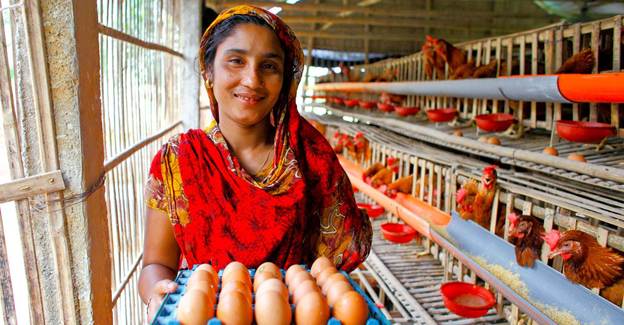
Poultry farming is a promising rural business because chicken meat and eggs are consumed throughout Bangladesh. Entrepreneurs can start with broiler chickens for meat, layer chickens for eggs, or Sonali chickens for a different market segment.
- Products: Chicken meat, eggs, chicks, and poultry manure.
- Estimated investment: ৳1.5–5 lakh for a small operation, excluding land purchase.
- Requirements: Poultry shed, feeders, drinkers, ventilation, heating equipment for chicks, feed storage, and reliable veterinary support.
- How to start: Survey local demand, arrange suitable housing, buy healthy chicks from a reliable supplier, and prepare a vaccination and feeding plan with veterinary guidance.
- How to grow: Establish relationships with village shops, restaurants, egg traders, and nearby markets. Expand only after understanding feed costs, mortality, and selling prices.
Key risk: Disease outbreaks and fluctuating feed prices can reduce profits. Maintain strict hygiene and avoid investing all your capital in one batch.
2. Fish Farming in Ponds
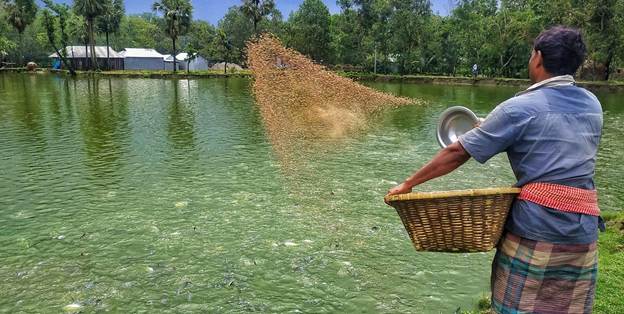
Fish farming is suitable for villages with accessible ponds and reliable water supplies. Depending on local conditions, farmers can raise tilapia, pangasius, carp, or other commercially suitable species.
- Estimated investment: ৳1–4 lakh for a small leased-pond operation, depending on pond preparation and stocking density.
- Requirements: Pond access, fingerlings, fish feed, nets, water-quality monitoring equipment, and working capital.
- How to start: Consult the local fisheries officer about suitable species and stocking density. Calculate feed requirements and identify buyers before stocking the pond.
- How to grow: Sell to fish traders, restaurants, local markets, and retailers. Later, expand into fingerling sales or fish cleaning and packaging.
Key risk: Poor water quality, disease, expensive feed, and sudden price changes. Monitor water conditions and keep records of feed use and fish growth.
3. Dairy Farming and Milk Products
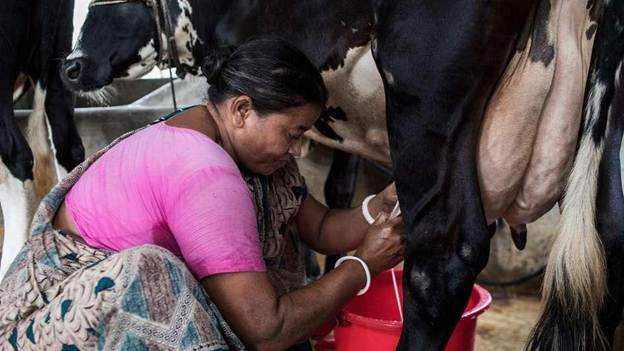
Dairy farming can provide regular cash flow through milk sales. Entrepreneurs may begin with one or two healthy cows and gradually develop a small dairy operation.
- Products: Fresh milk, yoghurt, ghee, butter, and manure.
- Estimated investment: ৳2–6 lakh for a small unit, depending on animal breed, shed, and equipment.
- Requirements: Healthy cows, a ventilated shed, clean water, fodder, milking utensils, and veterinary services.
- How to start: Identify dependable milk buyers, estimate daily feed expenses, and obtain veterinary advice before purchasing cattle.
- How to grow: Supply households, tea stalls, sweet shops, and restaurants. Introduce yoghurt or other dairy products when sufficient milk and suitable processing facilities are available.
Key risk: Animal disease, high feed costs, and milk spoilage. Ensure clean milking practices, appropriate cooling, and preventive veterinary care.
4. Vegetable Cultivation and Seedling Nursery
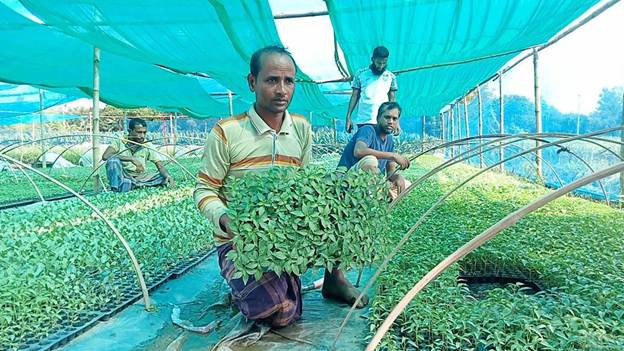
A vegetable farm or seedling nursery can serve local households, commercial farmers, and traders. Crops such as chilli, tomato, brinjal, cucumber, gourds, and leafy vegetables can be selected according to soil, season, and market demand.
- Estimated investment: ৳50,000–2 lakh for a small operation, excluding land purchase.
- Requirements: Suitable land, irrigation, seeds, trays, growing media, tools, and possibly protective netting.
- How to start: Choose crops based on local demand and the agricultural calendar. Begin with a manageable plot and arrange buyers before harvesting.
- How to grow: Sell seedlings to nearby farmers, supply vegetables to retailers, and offer seasonal seedling varieties. Use Facebook or local messaging groups to announce availability.
Key risk: Weather damage, pests, and seasonal oversupply. Diversify crops and stagger planting dates to reduce exposure.
5. Cattle and Goat Rearing
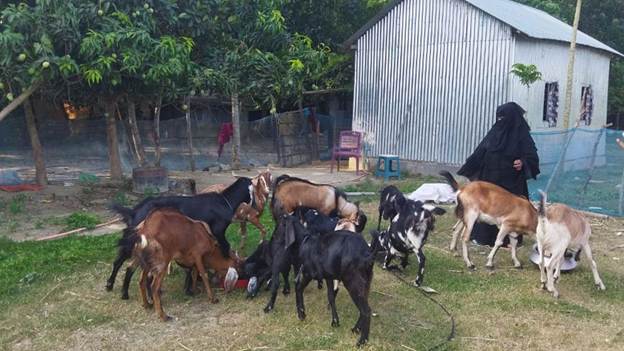
Cattle fattening and goat rearing are suitable for entrepreneurs who have space, access to fodder, and the ability to manage livestock properly. Demand for meat may create opportunities around Eid and throughout the year.
- Estimated investment: ৳1–4 lakh for a small operation, depending on the number and type of animals.
- Requirements: Livestock shelter, feed, water facilities, veterinary care, and secure storage for feed.
- How to start: Learn animal selection, nutrition, vaccination, and disease prevention. Purchase healthy animals after an appropriate veterinary assessment.
- How to grow: Build relationships with livestock traders, butchers, and households. Consider producing fodder or selling manure as additional income streams.
Key risk: Animal illness, expensive feed, and unpredictable selling prices. Do not depend entirely on festive-season sales.
6. Agro-Processing and Packaged Food Production
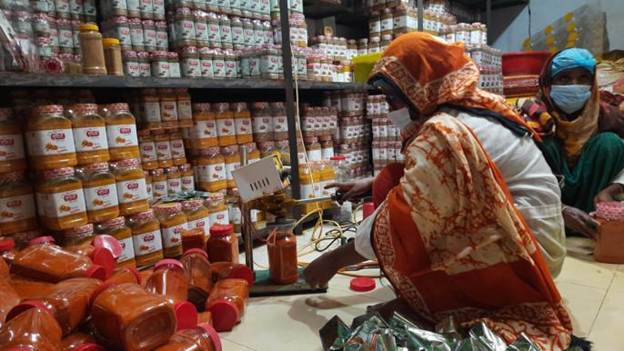
Instead of selling only raw agricultural products, rural entrepreneurs can increase their value by processing and packaging locally available produce. Options include spice powders, pickles, dried vegetables, puffed rice, mustard oil, and fruit-based products.
- Estimated investment: ৳1–5 lakh for a small-scale operation, depending on machinery and product choice.
- Requirements: Processing equipment, clean workspace, weighing scales, food-grade packaging, storage facilities, and appropriate licences.
- How to start: Select one or two products with reliable raw-material supplies. Test recipes, calculate unit costs, and sell small batches before investing in machinery.
- How to grow: Develop a brand, standardize quality, supply grocery shops, and sell through social media. SME Foundation resources can help entrepreneurs learn about value addition and business development. SME Foundation provides relevant guidance.
Key risk: Inconsistent quality, inadequate packaging, and limited distribution. Follow food-safety requirements and check whether BSTI certification or other approvals apply to the product.
7. Agricultural Inputs and Farm Equipment Shop
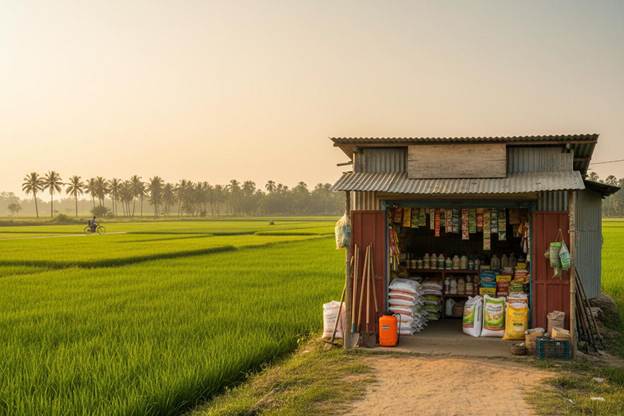
Farmers regularly need seeds, approved fertilizers, irrigation accessories, sprayers, protective equipment, and small tools. A village agricultural-input shop can become a dependable service point when located near farming communities.
- Estimated investment: ৳2–6 lakh for initial stock, shelving, shop setup, and working capital.
- Requirements: A suitable shop, inventory system, dependable suppliers, product knowledge, and relevant licences.
- How to start: Identify the main crops grown in the area and stock the products farmers need most. Check the licensing rules for fertilizers, pesticides, seeds, and other regulated inputs.
- How to grow: Offer seasonal pre-orders, delivery to nearby villages, irrigation accessories, and connections to qualified agricultural advisers.
Key risk: Unsold seasonal inventory, counterfeit products, and customer credit defaults. Purchase from authorized suppliers and maintain clear payment records.
8. Digital Service Centre and Online Business Support
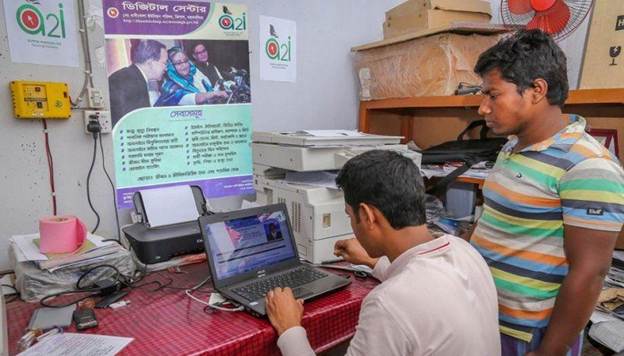
Many villagers need help with online applications, document typing, printing, photocopying, scanning, online appointments, and digital payments. A computer-based service centre can meet these needs without requiring agricultural land.
- Estimated investment: ৳80,000–2.5 lakh.
- Requirements: Computer, printer, scanner, internet connection, backup power, and a small commercial space.
- How to start: Learn basic computer operation, document formatting, online form submission, and cybersecurity. Choose a location near a bazaar, school, college, or local service offices.
- How to grow: Add lamination, passport-photo services, CV preparation, online tutoring support, and digital marketing services for local businesses.
Key risk: Low customer traffic or unreliable internet and electricity. Survey existing centres and select a location with sufficient demand.
9. Mini Grocery and Daily Essentials Shop
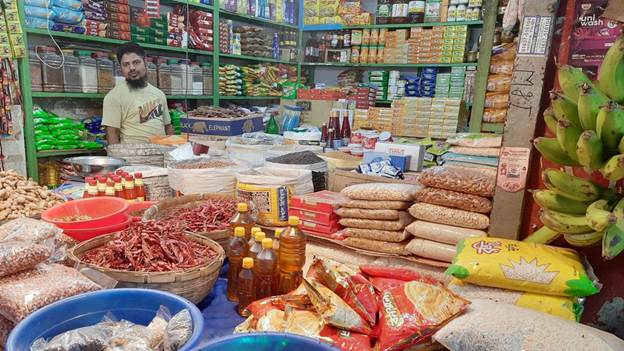
A well-managed grocery shop sells everyday essentials such as rice, lentils, edible oil, salt, soap, biscuits, snacks, and household items. Demand tends to be recurring, making this an accessible option for first-time entrepreneurs.
- Estimated investment: ৳1–3 lakh, including initial stock, shelves, and basic shop setup.
- Requirements: A shop in a convenient location, secure storage, weighing scales, supplier contacts, and daily sales records.
- How to start: Identify products with frequent turnover and compare wholesale suppliers. Begin with essential items instead of buying too many varieties.
- How to grow: Add mobile recharge, household delivery, school supplies, or other locally demanded products. Reinvest profits in fast-moving stock.
Key risk: Competition, thin margins, and customer credit. Track inventory, control wastage, and set clear limits on credit sales.
10. Vermicompost and Organic Fertilizer Production
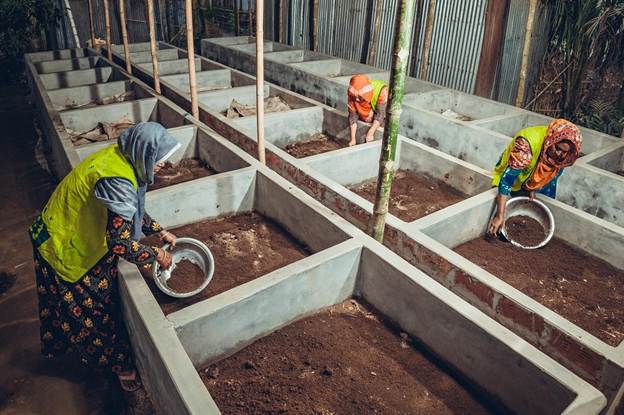
Vermicompost is produced using earthworms to convert suitable organic waste into nutrient-rich compost. A rural entrepreneur may obtain raw materials from farms, livestock operations, and vegetable markets.
- Estimated investment: ৳40,000–1.5 lakh for a small production unit.
- Requirements: Shaded compost beds or bins, suitable earthworms, decomposable organic materials, water, sieving tools, and packaging.
- How to start: Learn the production process and secure a steady supply of appropriate organic waste. Make a small batch and test farmer interest before scaling up.
- How to grow: Supply vegetable growers, nurseries, home gardeners, and agricultural-input shops. Offer bulk deliveries and develop consistent product quality.
Key risk: Poor compost quality, excessive moisture, contamination, and weak market demand. Follow appropriate production and quality standards and verify applicable fertilizer regulations before selling.
How to Choose the Right Business
The best business is not necessarily the one with the highest possible revenue. It is the one that matches your resources, local demand, experience, and ability to manage risk.
| If you have… | Consider starting with… |
| A pond or access to water | Fish farming |
| Agricultural land | Vegetables or a seedling nursery |
| Livestock space and fodder | Dairy, goats, or cattle |
| Access to farm produce | Food processing |
| A roadside or bazaar shop | Grocery or agricultural inputs |
| Computer skills and internet | Digital service centre |
| Low starting capital | Vermicompost or a small nursery |
Five Steps to Start Successfully
- Research demand: Interview 20–50 potential customers, farmers, or retailers before committing substantial money.
- Prepare a budget: Include setup costs, working capital, transport, utilities, wages, and emergency reserves.
- Start small: Test the business at a manageable scale and expand only after confirming demand and actual margins.
- Seek training: Contact the relevant agriculture, fisheries, or livestock office, or consult SME Foundation and PKSF-supported programmes where available.
- Keep proper records: Record sales, expenses, inventory, customer credit, and monthly profit. Check local trade-licensing and sector-specific regulatory requirements.
Conclusion
The 10 business ideas above offer different entry points for rural entrepreneurs in Bangladesh. Poultry, fish farming, dairy, and livestock suit people with agricultural resources; food processing and agricultural-input shops can serve established farming communities; digital services and grocery shops address everyday needs; and vermicompost production offers a small-scale option where raw materials are readily available.